Visivra Review 2026: Is It Worth Buying for Better Eye Health?

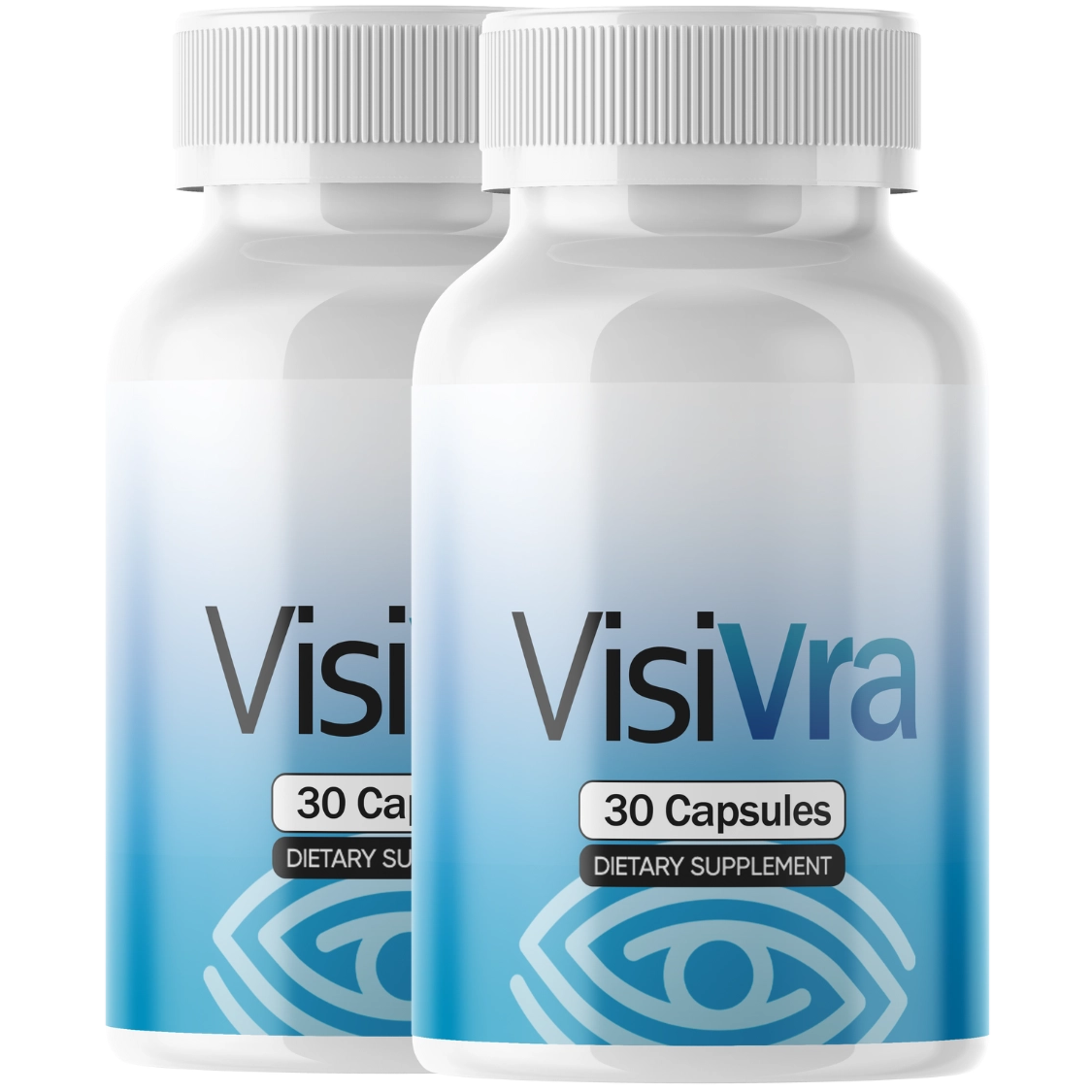
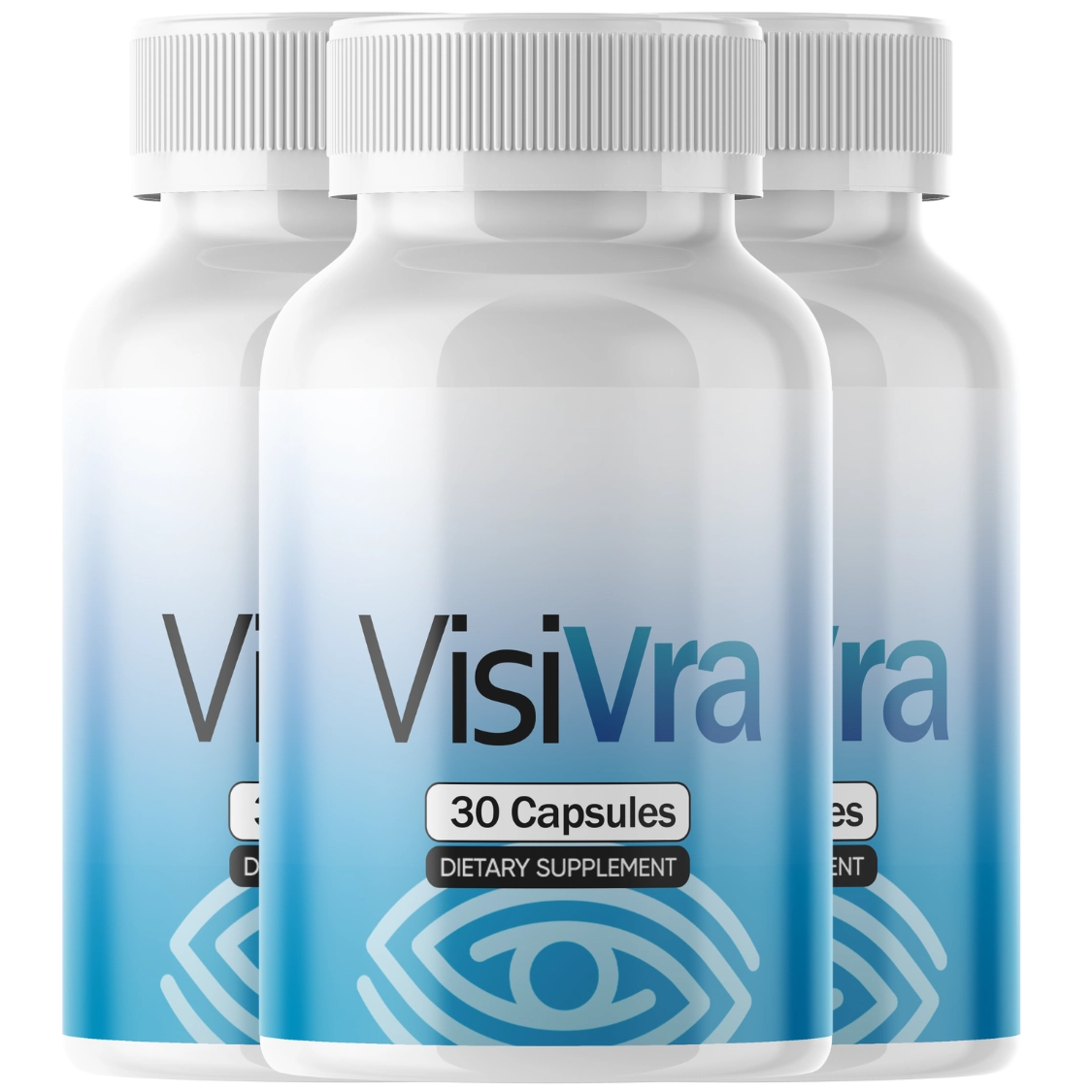
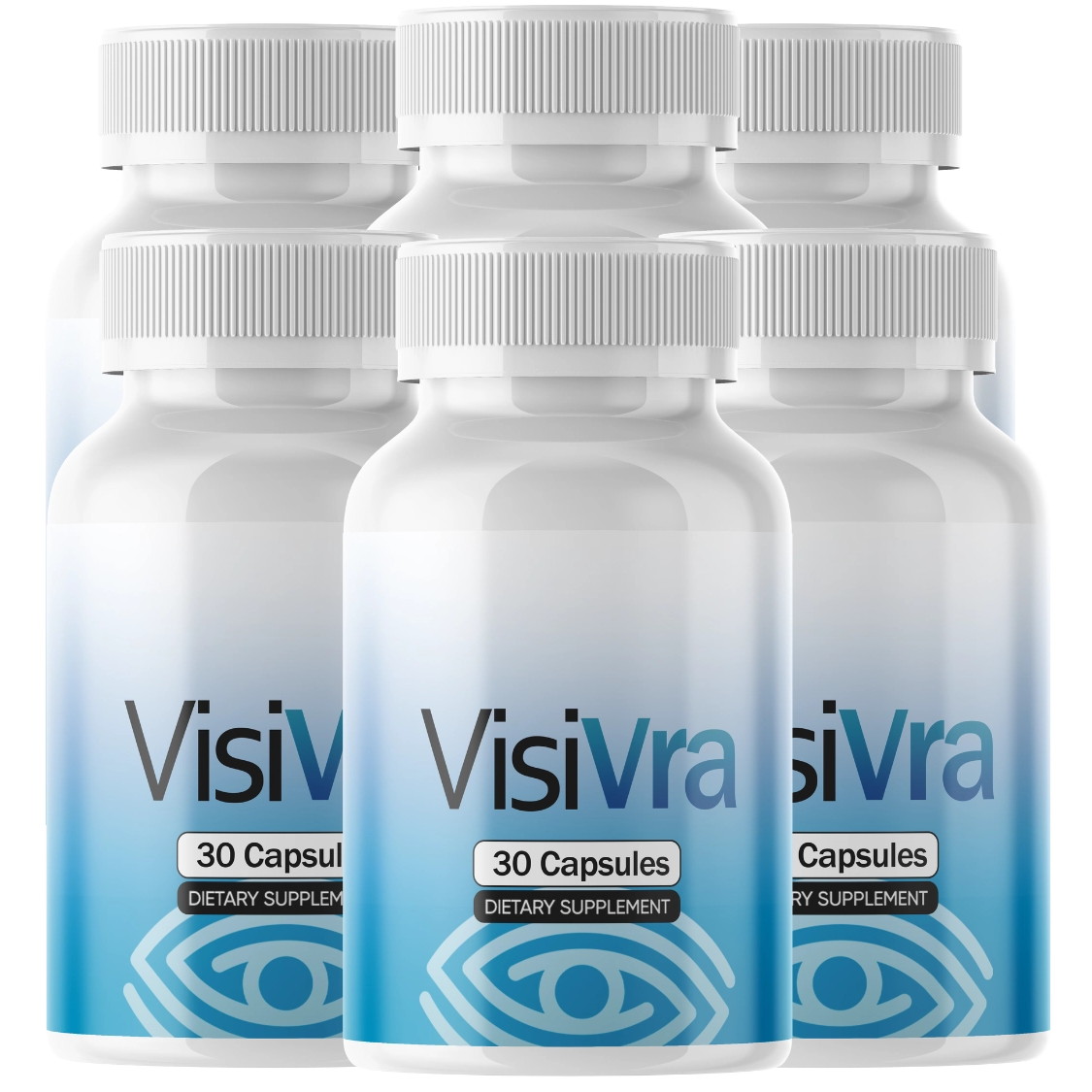
Visivra is marketed as a daily eye health supplement for digital eye strain, visual clarity and retinal support. The nutrients commonly named in this category, such as lutein and zeaxanthin, have real research behind them. But Visivra's own claims ("clinically proven," "#1 rated") aren't backed by published trials of the finished product that I could find. It may be a reasonable low-risk add-on for some adults. It isn't a treatment for vision problems, and it shouldn't replace an eye exam.
What Is Visivra?

Reducing eye fatigue and digital eye strain
Supporting the macula and retina with antioxidants
Maintaining everyday visual comfort and clarity
Several web pages describe slightly different formulas under the same name, so check the Supplement Facts panel on the bottle you're buying. Don't rely on a third-party review page, including this one, for the exact ingredient list. [Insert official ingredient list, serving size and capsule count here.]
How Does Visivra Claim to Work?
The brand says it delivers antioxidants and eye-supporting nutrients that help protect delicate eye tissue from oxidative stress. In general terms, that means:
Carotenoids (lutein and zeaxanthin) accumulate in the macula, the part of the retina responsible for sharp central vision.
Antioxidant vitamins and minerals (vitamins C and E, zinc) help neutralize free radicals.
Plant extracts (such as bilberry) are traditionally used for circulation and eye comfort.
This is the usual mechanism for the whole category, not something shown specifically for Visivra.
Visivra Ingredients: What Does the Science Say?
Ingredient lists vary across sources, so here is what the research says about the nutrients most often attributed to Visivra.
Lutein and Zeaxanthin
These are the best-supported ingredients in eye supplements. Studies show they raise macular pigment density. The large AREDS2 trial from the National Eye Institute used 10 mg lutein and 2 mg zeaxanthin as part of a formula that slowed progression to advanced age-related macular degeneration (AMD) in people who already had intermediate AMD. The trial did not show that these nutrients prevent AMD in healthy eyes.
Bilberry Extract
Bilberry is popular, but the evidence is thin. Reviews of clinical trials haven't shown reliable benefits for night vision or eye health in healthy adults. It's best seen as a "may support" ingredient, not a proven one.
Vitamin C, Vitamin E and Zinc
These were part of the AREDS formula. They help in people with intermediate AMD. The doses used in those trials (for example, 80 mg of zinc) were high, and typical multi-ingredient supplements often contain much less. Check whether Visivra's doses are anywhere near the studied amounts.
Astaxanthin, Omega-3s and Others
If listed, astaxanthin has small studies suggesting reduced eye fatigue. Omega-3s are often marketed for dry eye, but a large trial (DREAM) found no benefit over placebo. Treat these as optional extras, not core evidence.
Does Visivra Work? An Honest Look at the Evidence
What's reasonable to expect: If you have low dietary intake of lutein and zeaxanthin (common if you rarely eat leafy greens, eggs or colorful vegetables), supplementing can raise your levels. For some people with screen-related eye fatigue, that may bring a modest improvement.
What isn't supported:
Visivra can "restore" or "reverse" vision loss. No supplement does this.
It "blocks blue light damage." The American Academy of Ophthalmology says there's no evidence that screen blue light damages the eyes.
It's "clinically proven." I couldn't find published trials of Visivra itself. Studies on individual ingredients don't prove a finished product works.
Results in 3 to 4 weeks. This appears in marketing, not in independent data.
Most "customer reviews" I found were on affiliate sites or hosted by the sellers, so I wouldn't treat them as independent evidence. Look for verified purchase reviews on retailers you trust.
Visivra Benefits (Potential, Not Guaranteed)
If the formula contains the key carotenoids at meaningful doses, potential benefits include:
Support for macular pigment and long-term retinal health
Possible relief from eye fatigue after long screen sessions
Antioxidant support, especially if your diet is low in produce
Convenience: one daily capsule instead of tracking multiple supplements
Visivra Side Effects and Safety
Eye supplements are generally well tolerated, but check these points:
Allergies: Read the label for allergens and plant extracts.
Medication interactions: Vitamin E and bilberry may interact with blood thinners. Bilberry may affect blood sugar. Ask your doctor if you take warfarin, aspirin therapy or diabetes medication.
High-dose zinc: Long-term high zinc can cause copper deficiency.
Beta-carotene: Not recommended for current or former smokers because of lung cancer risk, which is why AREDS2 removed it.
Pregnancy and breastfeeding: Get medical advice first.
Mild effects: Stomach upset is the most commonly reported issue with supplements in general.
Claims of "no side effects" are marketing, not science. Any active ingredient can cause side effects in some people.
Who Should Consider Visivra?
It may suit you if:
You spend 6 or more hours a day on screens and have occasional eye fatigue
Your diet is low in leafy greens, eggs and colorful vegetables
You're an adult wanting general nutritional support for eye health
You've talked to your eye doctor and they're comfortable with it
It's probably not the right tool if:
You have blurry vision, flashes, floaters, sudden vision changes or pain. See an eye doctor promptly.
You've been diagnosed with AMD. Ask your doctor about the specific AREDS2 formula.
You expect a supplement to fix dry eye, glaucoma or cataracts.
Visivra vs. Other Eye Health Supplements
When comparing Visivra with alternatives, check these points:
Established AREDS2-based products and USP-verified lutein supplements are often cheaper and have better evidence. Visivra needs to match or beat them on transparency to justify its price.
Visivra Price and Where to Buy
Pricing and bundle deals change frequently, so confirm them on the official website. [Insert current price per bottle and multi-bottle discounts.] Be careful with lookalike listings. Similarly named products on marketplaces have drawn complaints about mismatched labels and ingredients, so buy only from the brand's official store or a retailer you trust.
Before you buy, check:
The refund window and whether return shipping is covered
Whether the order includes a recurring subscription
That the label matches the website's ingredient list
Is Visivra Legit or a Scam?
The product itself may be a normal capsule supplement, but its online marketing follows patterns that call for caution:
Many near-identical promotional pages on free hosting sites
Absolute claims like "no side effects" and "thousands of satisfied users"
Conflicting ingredient descriptions across pages
No visible third-party lab results or published study
None of this proves fraud, but it means you should verify before you pay. Look for a Certificate of Analysis, a registered business address and independent reviews.
Better Ways to Support Eye Health (Alongside Any Supplement)
Supplements work best on top of habits that have stronger evidence:
Follow the 20-20-20 rule: every 20 minutes, look at something 20 feet away for 20 seconds.
Get comprehensive dilated eye exams on the schedule your eye doctor recommends.
Eat lutein-rich foods: spinach, kale, eggs, corn, broccoli.
Wear UV-blocking sunglasses.
Don't smoke. It's among the biggest modifiable risk factors for AMD and cataracts.
Blink often and use lubricating drops if your eyes feel dry.
Adjust your screen: brightness, distance and lighting reduce strain more than blue-light filters.
Frequently Asked Questions
What is Visivra used for?
It's marketed to support eye health, reduce digital eye strain and support visual clarity.
Does Visivra really work?
The ingredients commonly associated with it have some research support, but I couldn't find independent clinical trials of Visivra itself. Results vary.
How long does Visivra take to work?
The brand suggests a few weeks, but supplements like this often take 1 to 3 months to show any change, if they do.
Does Visivra have side effects?
Eye supplements are usually well tolerated, but allergies, medication interactions and stomach upset are possible. Ask your doctor first.
Can Visivra improve eyesight or replace glasses?
No. Supplements can't correct refractive errors or reverse eye disease.
Is Visivra FDA approved?
Supplements aren't FDA-approved for effectiveness. Be skeptical of "clinically approved" labels.
Where can I buy Visivra?
Use the official website. Avoid unofficial marketplace listings.
Is Visivra safe with medications?
Not necessarily. Vitamin E and bilberry can interact with blood thinners and diabetes drugs. Check with a doctor or pharmacist.
Final Verdict: Is Visivra Worth Buying?
Worth considering if the label shows meaningful lutein and zeaxanthin doses, the company is transparent, and the price is fair compared with established alternatives. In that case it's a low-risk way to top up eye-supporting nutrients.
Skip or wait if the formula is vague, the "proof" is only marketing, or you have a symptom that needs a doctor.
Bottom line: Visivra may help with nutritional support and everyday eye comfort, but it's not a miracle fix. Verify the label, buy from the official source, and keep up with eye exams.


Comments
Post a Comment